The Ultimate Honest Guide (Pros, Cons, Costs & Alternatives)
Medellín, Colombia has become one of the most searched destinations in Latin America for people considering a change of lifestyle. Whether the interest comes from digital nomads, retirees, remote workers, creatives, or long-term expats, living in Medellín is often presented online as affordable, vibrant, and almost idyllic.
The reality, however, is more nuanced. Medellín offers genuine advantages, but it also comes with structural, environmental, and cultural challenges that must be understood before relocating. This guide provides a realistic, up-to-date, and experience-based overview of living in Medellín, Colombia in 2026, including costs, neighbourhoods, lifestyle, safety, and nearby alternatives.
Why Medellín, Colombia Attracts So Many People
Climate and Rainfall
One of the main reasons people consider living in Medellín is its climate. Often called the City of Eternal Spring, Medellín enjoys mild temperatures year-round with no harsh winters or extreme seasonal changes. Rainfall exists, but it is usually predictable and comes in short bursts rather than continuous downpours.
Compared with other tropical cities, Medellín is not excessively rainy, allowing for an outdoor lifestyle that includes walking, hiking, cafés, parks, and social activities throughout the year.
Daily Life and Neighbourhood Living
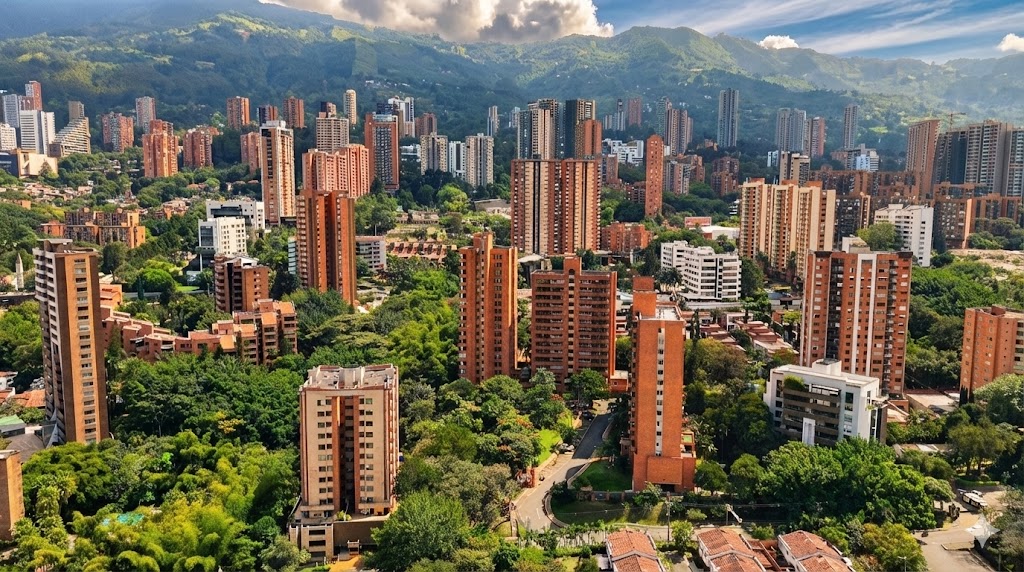
A major advantage of living in Medellín is the neighbourhood-based lifestyle. Many areas function almost like small towns within the city, allowing residents to live most of their daily lives within walking distance.
Popular neighbourhoods include:
- Laureles – flatter, walkable, residential, and calmer
- Envigado – family-oriented, green, and less touristy
- Sabaneta – affordable, local, and well connected
- El Poblado – international, modern, but busier and more expensive
In these areas, residents typically have easy access to supermarkets, cafés, bakeries, gyms, parks, pharmacies, and local shops. For people coming from sprawling cities like Los Angeles, London, or New York, this human-scale way of living is often one of Medellín’s most appealing features.
Cost of Living in Medellín, Colombia (2026)
Housing and the Strata System
Colombia uses a strata system (1–6) to classify residential areas. This affects rent, utilities, and building fees.
- Strata 3–4: Best balance of affordability, safety, and comfort
- Strata 5–6: Higher-end areas with noticeably higher costs
Typical monthly housing costs in 2026:
- One-bedroom apartment (strata 3–4): USD 350–450
- Two- or three-bedroom apartment (strata 3–4): USD 500–700
- High-end furnished apartments (strata 5–6): USD 900–1,300+
Property ownership is also accessible by international standards. Annual property taxes and monthly administration (HOA-style) fees are very low compared with the US, UK, or Europe.
Everyday Expenses
Average monthly costs for one person living in Medellín:
- Groceries & household items: USD 300–400
- Eating out regularly: USD 250–400
- Utilities & fast internet: USD 100–130
- Gym memberships: USD 30–80
- Coffee at a local café: USD 0.70–1
Many people live comfortably on USD 1,300–2,000 per month, including leisure activities. Achieving a comparable lifestyle in major Western cities would typically require several times that amount.
Transport, Walkability, and Traffic
Medellín has the only metro system in Colombia, widely regarded as clean, efficient, and well integrated with buses and cable cars. Ride-hailing services are inexpensive, and many residents choose not to own a car.
That said, traffic congestion is significant. Streets are often narrow and steep, with heavy motorcycle use. Rush hours bring gridlock, and pedestrians must remain alert when crossing streets.
Air Quality, Smog, and Heat
One of the most important downsides of living in Medellín is air quality.
The city sits in a mountain basin, which traps pollution from traffic and industry. Smog is visible at times, and air quality fluctuates from moderate to poor during certain periods of the year.
In recent years, Medellín has also experienced a heat-retention effect. While the city was once famous for not requiring air conditioning, many apartments now need it, especially at night. This contrasts with nearby highland areas, which remain cooler and cleaner.
For people with respiratory sensitivities or a strong focus on health, this factor alone can be decisive.
Noise, Density, and Urban Energy
Medellín is a lively, energetic city — but not a quiet one.
Common issues include:
- Constant traffic noise
- Loud motorcycles
- Buildings close to roads
- Noise travelling easily through open windows
- Party activity in buildings with short-term rentals
Some neighbourhoods are calmer than others, but urban noise is part of daily life in much of the city.
Tourism, Nightlife, and Social Dynamics
Medellín has become a major international tourism hub, particularly popular with younger visitors. This has fuelled investment, restaurants, nightlife, and social events, but it also brings challenges:
- High tourist density in El Poblado
- Weekend party culture
- Visible sex tourism in nightlife areas
- Transient populations in certain districts
For some people, this energy is attractive. For others seeking calm and stability, it becomes a reason to look elsewhere.
Safety, Crime, and Scams
Colombia’s reputation for extreme violence is outdated, but petty crime still exists, particularly in large cities.
Common risks include:
- Phone theft (often involving motorcycles)
- Pickpocketing in crowded areas
- Occasional armed robberies (rare, but documented)
- Scams targeting newcomers
Serious violent crime against compliant individuals is uncommon, but situational awareness and Spanish language ability are essential for long-term living in Medellín.
Language and Cultural Integration
Spanish is essential for anyone planning to live in Medellín long-term. While some English is spoken in international circles, daily life, healthcare, contracts, and deeper social integration require functional Spanish.
Without it, people often feel isolated and more vulnerable to misunderstandings or scams.
Work, Lifestyle, and Escaping the Rat Race
One of the strongest reasons people choose Medellín is time freedom.
Lower living costs allow residents to:
- Work fewer hours
- Choose projects more selectively
- Focus on creative or personal goals
- Maintain health and balance
Many describe Medellín as a place where productivity exists without constant burnout — something increasingly rare in major Western cities.
Why Some People Choose Not to Live in Medellín (But Nearby)
Despite its advantages, Medellín is not ideal for everyone.
Common reasons people choose nearby regions instead include:
- Less traffic and noise
- Cleaner air
- Cooler temperatures
- Lower housing costs
- Easier car ownership
- Slower pace of life
Popular Alternatives Near Medellín
Eastern Antioquia (Rionegro, Llanogrande, El Retiro, La Ceja) offers:
- 35–45 minutes from Medellín
- Cooler, cleaner air
- Lower density and less noise
- Proximity to the international airport
- Easy access to Medellín’s hospitals, shopping, and services
This hybrid approach — peaceful living with urban access — is increasingly popular with retirees and long-term residents.
Healthcare and Infrastructure
Medellín is one of Colombia’s strongest healthcare hubs, with highly regarded hospitals and specialists. Even those living outside the city benefit from this proximity, as Medellín remains the medical reference point for the region.
Shopping infrastructure is also strong, with major malls, international brands, and specialty stores comparable to North American standards.
Is Living in Medellín, Colombia Right for You?
Medellín tends to suit people who:
- Enjoy urban energy and social life
- Value affordability with modern amenities
- Are adaptable and proactive
- Are willing to learn Spanish
- Can tolerate traffic, noise, and density
It may not suit those who:
- Prioritise silence and clean air
- Are sensitive to pollution or heat
- Prefer car-centric convenience
- Want a slow, rural retirement lifestyle
Final Thoughts
Living in Medellín, Colombia in 2026 offers exceptional value, climate stability, and lifestyle flexibility — but it also requires realism and self-awareness.
The most successful relocations come from visiting first, ideally more than once, and honestly assessing daily habits, health priorities, and tolerance for urban pressure.
For many, Medellín becomes home.
For others, it becomes a gateway to quieter nearby regions.
Either way, understanding the full picture is the key to making the right decision.